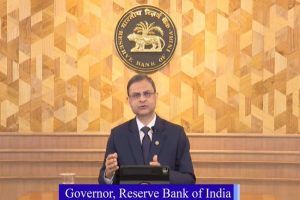
China is putting Trump on notice: Ready for full-on trade war
The latest moves out of Beijing show a government bracing for extended economic conflict with the United States under President Trump.
The latest moves out of Beijing show a government bracing for extended economic conflict with the United States under President Trump.

The CV segment has seen slightly improved performance for the quarter, while the PV segment has broadly remained in the mid-single digit growth zone.

Reciprocal tariffs, while having limited direct impact for India, create uncertainty and the risk of volatility in global markets.

The latest industry data reveals a 9% month-on-month drop in total card spends to Rs 1,672 billion, marking the lowest spending levels in seven months.

Trump tariffs will push prices higher on thousands of everyday goods, and that will fuel inflation at a time when it is already uncomfortably persistent.

While the UK state pension may have fallen off the radar for some who have spent years working abroad, James Green warns against underestimating its value.
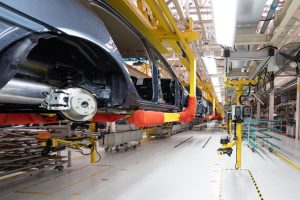
Given the meagre share of India’s exports of PVs and CVs to the USA, the tariffs imposed would have minimal impact on original equipment manufacturers (OEMs) here.

Dubbed 'Liberation Day' by the White House, the new wave of tariffs marks a major escalation in Trump’s protectionist agenda.

Available high frequency data for January and February 2025 point to a mixed picture of the growth momentum of the Indian economy in the last quarter of FY25.

The monetary policy actions in FY26 will be dependent on inflation movements, liquidity situation and trajectory of global commodity prices.